Back to Blogs
What to Know Before Getting a Dental Crown
Dental crowns protect and strengthen damaged teeth, restoring their function and appearance for a confident, healthy smile.
July 14, 2026
•
2 min read


Dental crowns protect and strengthen damaged teeth, restoring their function and appearance for a confident, healthy smile.
Dental crowns serve as vital restorations, protecting and strengthening teeth that have sustained significant damage or decay. They essentially cap the entire visible portion of a tooth, restoring its shape, size, strength, and appearance. Dr. Bonner Morren at Austin Dental Co. often recommends them to preserve compromised teeth, allowing patients to maintain their natural bite and smile. Dental crowns are a durable and long-lasting solution for many common dental issues.
Consider Carter, a man in his early 40s, who recently faced a difficult decision. For years, he had a stubborn filling in a back molar that seemed to be wearing down. He was starting to feel increased sensitivity when chewing on that side.
Carter's primary concern revolved around preventing further damage to his tooth and avoiding extraction. He wanted to understand his options thoroughly and ensure he was making the best long-term choice for his oral health.

Several situations might lead Dr. Bonner Morren to suggest a dental crown, always aiming to preserve the natural tooth structure whenever possible. Crowns become necessary when a tooth is too compromised for a simple filling to repair effectively. This ensures the tooth can withstand the forces of chewing without breaking further.
When Carter visited Dr. Bonner Morren, he learned his existing filling was extensive, and the remaining tooth wall was weak. Dr. Morren explained that without a crown, the tooth was at high risk of fracturing. Preventing future damage is a key goal of crown placement.

The world of dental crowns offers diverse materials, each with unique benefits suited for different needs and aesthetic considerations. Dr. Bonner Morren carefully reviews these options with each patient, explaining the best fit for their situation. The choice often depends on the tooth's location, the patient's bite, and their preference for durability versus appearance.
Carter was particularly interested in a material that would look natural since his affected molar was still somewhat visible. He discussed his options with Dr. Morren, weighing the pros and cons of each. Crowning materials offer varied aesthetics and strengths.

The process of getting a dental crown typically involves two separate appointments, ensuring precision and a custom fit. During the initial visit, Dr. Bonner Morren prepares the tooth by removing any decay and reshaping it to accommodate the crown. An impression is then taken, which serves as a blueprint for the permanent crown.
A temporary crown is placed to protect the prepared tooth while the permanent one is being fabricated in a dental lab. This temporary restoration is delicate and requires careful chewing. Carter found the temporary crown a little unusual at first but quickly adapted. Patient comfort is a priority throughout the entire process.
About two weeks later, Carter returned to Austin Dental Co. for his second appointment. Dr. Morren removed the temporary crown, thoroughly cleaned the tooth, and then carefully cemented the permanent crown into place. He checked Carter’s bite and made any necessary adjustments to ensure a comfortable and stable fit. This final step is crucial for the longevity and function of the crown.

If you have a damaged or decayed tooth and are considering a dental crown, schedule a consultation with Dr. Bonner Morren at Austin Dental Co. His team is ready to answer your questions and help you decide on the best course of action for your smile.

With proper care, dental crowns are designed to last for many years, often exceeding a decade. Their longevity depends significantly on the material used, the patient's oral hygiene habits, and even their biting forces. Dr. Bonner Morren emphasizes consistent oral care as a critical factor in maximizing the lifespan of any restoration. Good oral hygiene is paramount for crown durability.
Carter was keen to know how he could best protect his new crown. He received detailed instructions on proper brushing and flossing techniques, particularly around the crown. Regular check-ups at Austin Dental Co. are also essential for monitoring the crown's condition.

Following the placement of a permanent dental crown, a short adjustment period is normal. Some patients might experience mild sensitivity to hot or cold temperatures, or slight discomfort when chewing, for a few days. This usually subsides as the tooth settles into its new state. Dr. Bonner Morren advises patients to contact Austin Dental Co. if sensitivity persists or if their bite feels uneven.
Carter reported slight sensitivity initially, but it quickly faded within a week. He diligently followed Dr. Morren’s recommendations. It is important to treat a crowned tooth just like a natural tooth, with consistent care. Maintaining excellent oral hygiene is crucial for the health of both the crown and the surrounding natural teeth.
To alleviate any initial discomfort, over-the-counter pain relievers can be used. Patients should avoid chewing sticky or hard foods on the new crown for the first 24 hours. Good oral habits, including brushing twice daily and flossing once daily, are vital for preventing issues like gum disease or decay around the crown margin, which could compromise its long-term success.

Understanding the factors that influence the investment in a dental crown can help patients like Carter plan for their treatment. The cost varies significantly based on several key elements, which Dr. Bonner Morren clarifies during consultations. These elements primarily relate to the materials chosen and the complexity of the specific case. Material choice is a primary cost driver.
During his discussion with Dr. Morren, Carter learned about how different materials played a role. He also considered how potential insurance coverage might factor in. The dental support team at Austin Dental Co. can assist patients in understanding their benefits and exploring payment plans if needed.

For Carter, deciding to get a dental crown was a clear step towards safeguarding his oral health. He felt reassured knowing that his tooth was now protected, and he was empowered with the knowledge to care for it effectively. Through open discussions with Dr. Bonner Morren, he gained a comprehensive understanding of the procedure, from material choices to aftercare. The investment in his dental health provided not just a restored tooth, but also peace of mind.
His experience underscores the importance of choosing a trusted dental professional and engaging actively in one's treatment decisions. Dr. Morren’s careful guidance and the supportive team at Austin Dental Co. made the entire process straightforward and comfortable. Carter now regularly flosses around his crown and maintains his routine check-ups, feeling confident in the longevity of his treatment.
A dental crown isn’t just about fixing a problem; it’s about preserving a functional, healthy smile for years to come. Patients like Carter often describe feeling a renewed confidence knowing their compromised tooth is strong and protected. This proactive approach to dental care can prevent more extensive issues down the road, benefiting overall well-being.

1. Is getting a dental crown painful?
Dr. Bonner Morren ensures patient comfort during the dental crown procedure by using local anesthesia. Most patients report feeling little to no pain during the process itself. Some mild sensitivity or discomfort can occur after the procedure, but this typically subsides within a few days and can be managed with over-the-counter pain relievers.
2. How should I care for my new dental crown?
Caring for a new dental crown is much like caring for your natural teeth. Dr. Bonner Morren recommends brushing twice daily, flossing once a day, and maintaining regular dental check-ups and cleanings. Avoiding extremely hard or sticky foods on the crowned tooth can also help extend its lifespan.
3. Will my dental crown look natural?
Modern dental crowns, especially those made from porcelain or ceramic, are designed to blend seamlessly with your natural teeth. Dr. Bonner Morren works with high-quality dental labs to ensure the color, shape, and size of your crown match your existing smile. His goal is a restoration that is both functional and aesthetically pleasing.
4. Can a dental crown get cavities?
The crown itself is made of artificial material and cannot decay. However, the natural tooth structure underneath the crown, particularly at the margin where the crown meets the tooth or gum line, can still be susceptible to cavities. This is why diligent oral hygiene and regular dental visits are crucial to protect the underlying tooth.
5. What should I do if my temporary crown falls off?
If your temporary crown falls off, contact Austin Dental Co. immediately. Dr. Bonner Morren or his team can advise you on the next steps, which may involve temporarily placing it back with a small amount of toothpaste or a temporary dental adhesive, or scheduling an emergency visit to have it recemented. It's important to protect the prepared tooth.
6. Are there alternatives to dental crowns?
Depending on the extent of tooth damage, Dr. Bonner Morren may discuss alternatives to a dental crown. For smaller areas of decay or damage, a filling or onlay might suffice. However, for significantly compromised teeth, a crown often provides the most comprehensive and protective solution. He will always recommend the best option for your specific situation.
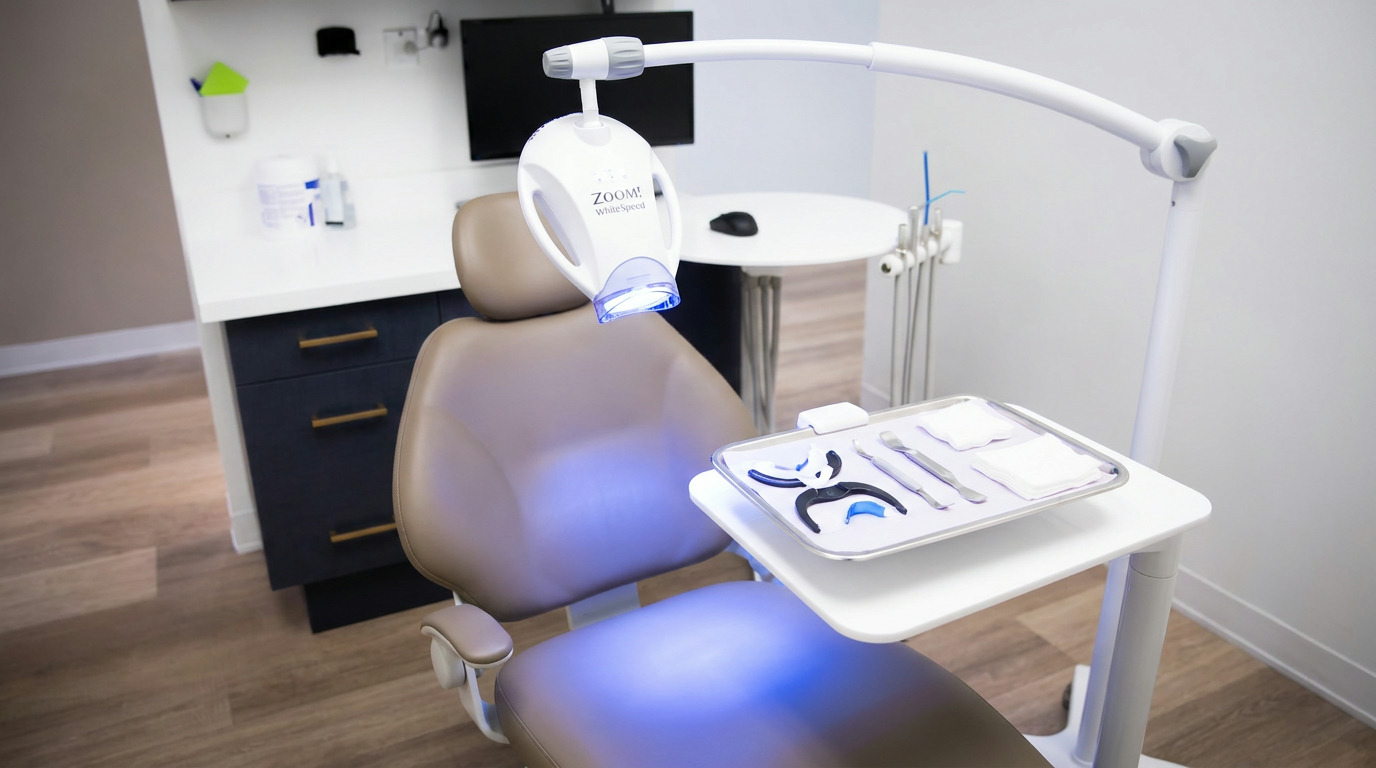
Zoom!® Whitening effectively lightens teeth in one visit, transforming smiles by breaking down deep stains for a brighter, more confident appearance.

Understanding veneer costs involves material choice, the number of teeth, and preparatory work, with porcelain offering durability and aesthetics often making it a worthwhile investment.

Understanding your Aetna dental insurance coverage at Austin Dental Company simplifies access to quality dental care and helps manage treatment costs.