Back to Blogs
Why Do My Gums Bleed When I Floss?
Discover why gums bleed when flossing and how to get your oral health back on track. Learn about gingivitis and prevention.
March 13, 2026
•
2 min read


Discover why gums bleed when flossing and how to get your oral health back on track. Learn about gingivitis and prevention.
Femi was a creature of habit, especially when it came to her evening routine. After a long day at her design studio in Austin, unwinding with a podcast and a meticulous floss session was non-negotiable. Lately, however, her steadfast routine had been marred by a troubling observation: her gums were bleeding. It wasn't every time, but enough to make her pause and peer closely in the mirror, a knot of worry tightening in her stomach.
She’d always prided herself on her oral hygiene. Twice-daily brushing, regular flossing – she did everything "by the book." So, this recurring pink tinge in the sink felt like a betrayal. "Am I doing something wrong?" she wondered, remembering countless dental visits where everyone lauded her excellent home care.
The bleeding wasn't painful, which almost made it more confusing. No sharp, searing sensation, just that tell-tale hint of blood. She knew deep down that healthy gums shouldn't bleed, but the "why" eluded her, planting a seed of genuine concern about what might be going on beneath the surface.

One afternoon, during a coffee break with her friend Adaeze, Femi cautiously broached the topic. "Adaeze, I've noticed my gums bleeding when I floss," she confessed, feeling a little embarrassed. Adaeze, always practical, nodded knowingly. "Mine used to do that. Dr. Morren at Austin Dental Co. explained it was likely gingivitis. It's super common."
Femi's brow furrowed. Gingivitis sounded serious, like something only those who neglected their teeth would get. Adaeze quickly reassured her. "No, no, it basically means your gums are inflamed, usually from plaque buildup around the gum line. The plaque irritates them, making them tender and prone to bleeding."
This explanation brought a small measure of relief, yet also a new layer of anxiety. Plaque? She brushed and flossed diligently! How could there still be plaque causing such an issue? The thought of something so insidious and invisible causing problems made her realize she needed professional insight, not just a friend's advice.
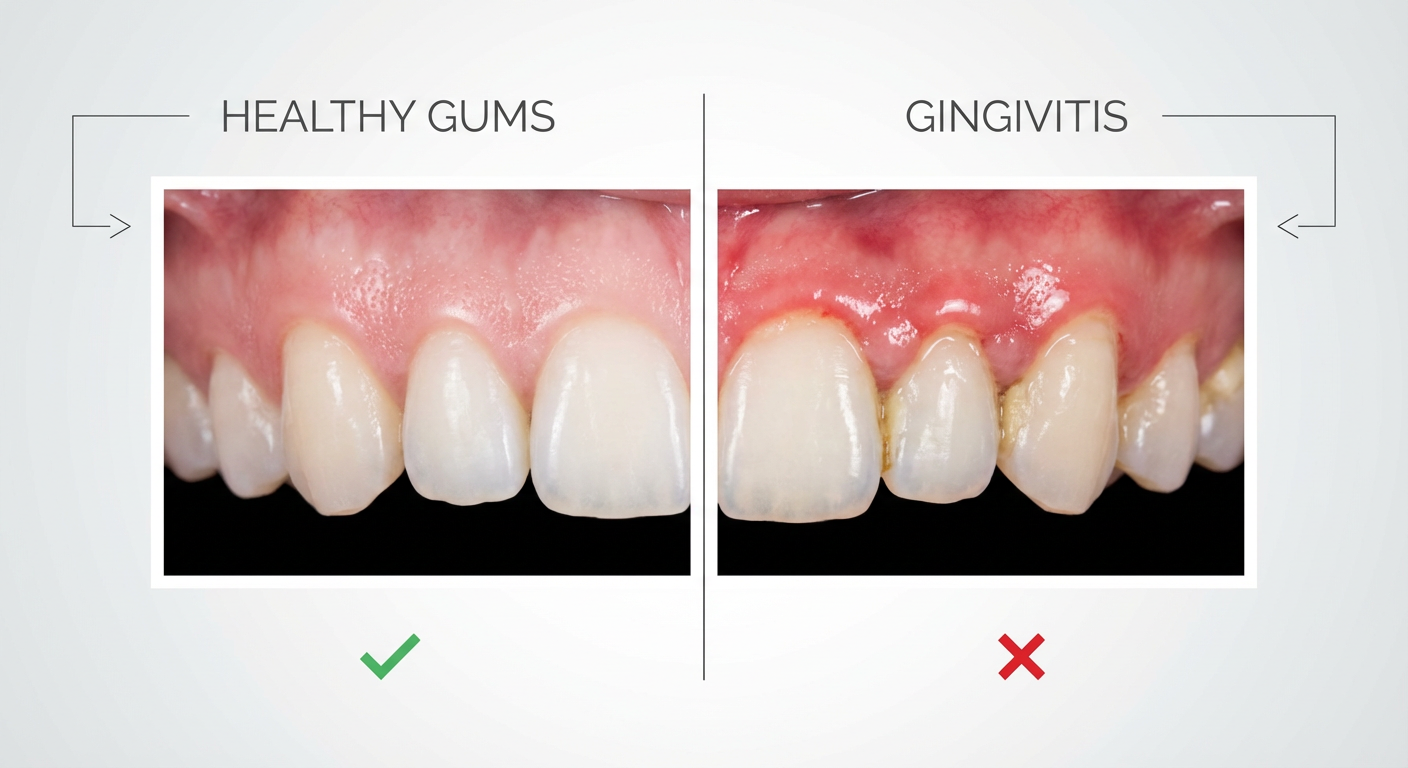
After their conversation, Femi found herself on the Austin Dental Co. website, learning more about gingivitis. It explained how plaque, that sticky film of bacteria, constantly forms on teeth. If not removed thoroughly, it hardens into tartar, which is even more irritating to the gums. The body's natural response to this irritation is inflammation, leading to redness, swelling, and – you guessed it – bleeding.
What surprised her was learning that often, with early gingivitis, there isn't much pain. The bleeding might be the first or only noticeable symptom. This discovery validated her earlier confusion, realizing that the absence of pain didn't mean the absence of a problem. It was a subtle but clear warning sign her body was giving her.
The website also stressed that gingivitis is reversible with proper care. This was a huge relief, knowing that she wasn't facing something irreversible. The key seemed to be addressing the underlying cause – the plaque buildup – and restoring her gums to health.

Driven by this new understanding, Femi promptly scheduled an appointment at Austin Dental Co. She was greeted warmly by the team, and soon found herself in the chair with Dr. Bonner Morren. Dr. Morren had a calm, reassuring demeanor that immediately put Femi at ease. "So, Femi, what brings you in today?" he asked, a gentle smile on his face.
Femi explained her concerns about the bleeding gums during flossing. Dr. Morren listened attentively, nodding occasionally. He then performed a thorough dental exam, gently probing her gums and checking for signs of inflammation or deep pockets. "Your gums are a bit inflamed, Femi," he confirmed, pointing to some areas of redness.
He explained that Femi's case was indeed a mild form of gingivitis, likely due to plaque accumulation just beneath the gum line in certain spots that her usual routine might be missing. "It's not uncommon, even for diligent brushers and flossers," he reassured her, taking away the self-blame she had been carrying. He explained that sometimes, a few tiny spots can be harder to reach, allowing plaque to thrive.

Femi left Dr. Morren's office with a plan and a newfound sense of understanding. If you're experiencing similar concerns about bleeding gums or simply want to ensure your oral hygiene routine is as effective as possible, we invite you to connect with us. Dr. Morren and our team are here to provide tailored advice and gentle care, helping you achieve a healthier, happier smile.

Dr. Morren then spoke about the importance of addressing the issue proactively. "While gingivitis is reversible, it's important not to let it go unchecked," he advised. He explained that if plaque and inflammation persist, gingivitis can progress to periodontitis, a more severe form of gum disease. "Periodontitis can damage the bone and tissues supporting your teeth," he explained, emphasizing the long-term risks.
The thought of bone damage was certainly sobering, making Femi realize that her initial worry was entirely justified. Dr. Morren clarified that periodontitis is a leading cause of tooth loss in adults, and while she was far from that stage, understanding the progression was key to taking her oral health seriously. He painted a clear picture without being alarmist, empowering Femi with knowledge.
He then highlighted the connection between oral health and overall systemic health. "Inflammation in your gums can sometimes be linked to other health conditions," Dr. Morren noted, mentioning the importance of treating oral infections to promote general wellness. This broader perspective truly solidified the importance of her visit.

"The good news is, Femi, we can get this under control," Dr. Morren said, moving on to solutions. He demonstrated proper flossing technique using a model, showing her how to gently curve the floss around each tooth, going slightly beneath the gum line without snapping it. "It’s about being thorough but gentle," he instructed. He emphasized using a new section of floss for each tooth to avoid spreading bacteria.
He also recommended a professional cleaning, which would remove any hardened plaque (tartar) that she couldn’t tackle with brushing and flossing alone. "A professional cleaning is crucial for resetting your oral health," Dr. Morren explained, saying it would remove the irritants causing the inflammation. He also suggested an antimicrobial mouthwash for a short period to help reduce bacteria.
Femi felt a surge of confidence. While she had flossed for years, Dr. Morren’s detailed explanation and demonstration revealed nuances she hadn't fully grasped. "So, the bleeding is actually a sign I need to floss better, not less?" she asked, to which Dr. Morren enthusiastically agreed, reinforcing her new understanding.

Armed with Dr. Morren's advice, Femi revitalized her oral care routine. She made a conscious effort to adjust her flossing technique, taking extra time to gently guide the floss along every curve of her teeth and just under the gum line. She noticed the initial bleeding continued for a few days, which, as Dr. Morren had explained, was normal as her gums began to heal and inflammation subsided.
Within a week, the change was dramatic. The bleeding dramatically reduced, and by the end of two weeks, her gums looked pinker and felt firmer. "It's actually working!" she exclaimed to herself one evening, a genuine smile spreading across her face. This feeling of control and improvement was incredibly empowering, confirming the value of her visit.
She also made sure to schedule her next six-month check-up and cleaning, recognizing it as a critical part of maintaining her oral health, not just a reactive measure. Consistency, she realized, was truly key. She felt grateful for Dr. Morren's expertise and the clear guidance provided by the Austin Dental Co. team.

Months later, Femi’s gums were healthier than ever. The bleeding was a distant memory, replaced by the satisfaction of a truly clean mouth. Her regular check-ups with Dr. Morren confirmed the sustained improvement. "Excellent progress, Femi! Your gums look fantastic," he’d commented at her last visit, a testament to her diligent efforts.
This experience didn't just fix a problem; it transformed Femi's perspective on oral health. She now understood that her dental health was a continuous journey, requiring informed choices and consistent care. It wasn't about perfection, but about knowledge and proactive attention. She felt more confident not just in her smile, but in her ability to care for her own well-being.
Sharing her journey, she often encouraged friends like Tariq and Camille to pay attention to subtle signs like bleeding gums and to consult professionals like Dr. Morren at Austin Dental Co. "Don't ignore the little things," she would advise, "they often tell the biggest stories about your health."

1. - My gums bleed, but they don't hurt. Is it still a problem?
Yes, absolutely! Bleeding is often the earliest and most common sign of gum inflammation (gingivitis), even if there's no pain. Healthy gums should not bleed when you brush or floss.
2. - What causes bleeding gums when I floss or brush?
Most commonly, bleeding gums are a sign of gingivitis, caused by plaque buildup along the gum line. This plaque irritates the gums, making them inflamed, tender, and prone to bleeding. It can also be due to aggressive brushing or flossing, or occasionally, certain medications or health conditions.
3. - How can I stop my gums from bleeding?
The most effective way is to improve your oral hygiene. This includes brushing twice a day with proper technique and flossing daily, gently curving the floss around each tooth and slightly beneath the gum line. A professional dental cleaning can remove hardened plaque (tartar). Dr. Morren can provide personalized guidance and a hygiene plan.
4. - Will my gums bleed more if I keep flossing with gingivitis?
Initially, your gums might continue to bleed for a few days as you start a more thorough flossing routine. This is normal and indicates the healing process has begun. Consistency is key; as inflammation subsides, the bleeding will reduce and eventually stop.
5. - Is gum disease serious, or just an aesthetic issue?
Gum disease is a serious health issue that can progress from gingivitis to periodontitis, which can damage the bone and tissues supporting your teeth and even lead to tooth loss. It's also linked to overall systemic health conditions, so treating it early is crucial.
6. - Does insurance cover treatments for bleeding gums?
Many dental insurance plans cover preventive care like cleanings and check-ups, which are often the primary treatment for gingivitis. For more advanced stages, coverage can vary. We recommend contacting your insurance provider directly or speaking with our administrative team at Austin Dental Co. to understand your specific benefits.

Understanding veneer costs involves material choice, the number of teeth, and preparatory work, with porcelain offering durability and aesthetics often making it a worthwhile investment.

Understanding your Aetna dental insurance coverage at Austin Dental Company simplifies access to quality dental care and helps manage treatment costs.

Find the ideal dentist for your family by considering unique needs, credentials, comprehensive services, comfort, scheduling, and reviews. Discover personalized dental care.