Back to Blogs
Factors That Affect Dental Implant Pricing
Dental implant pricing depends on preliminary care, restoration materials, and surgical needs for lasting stability.
November 6, 2026
•
2 min read

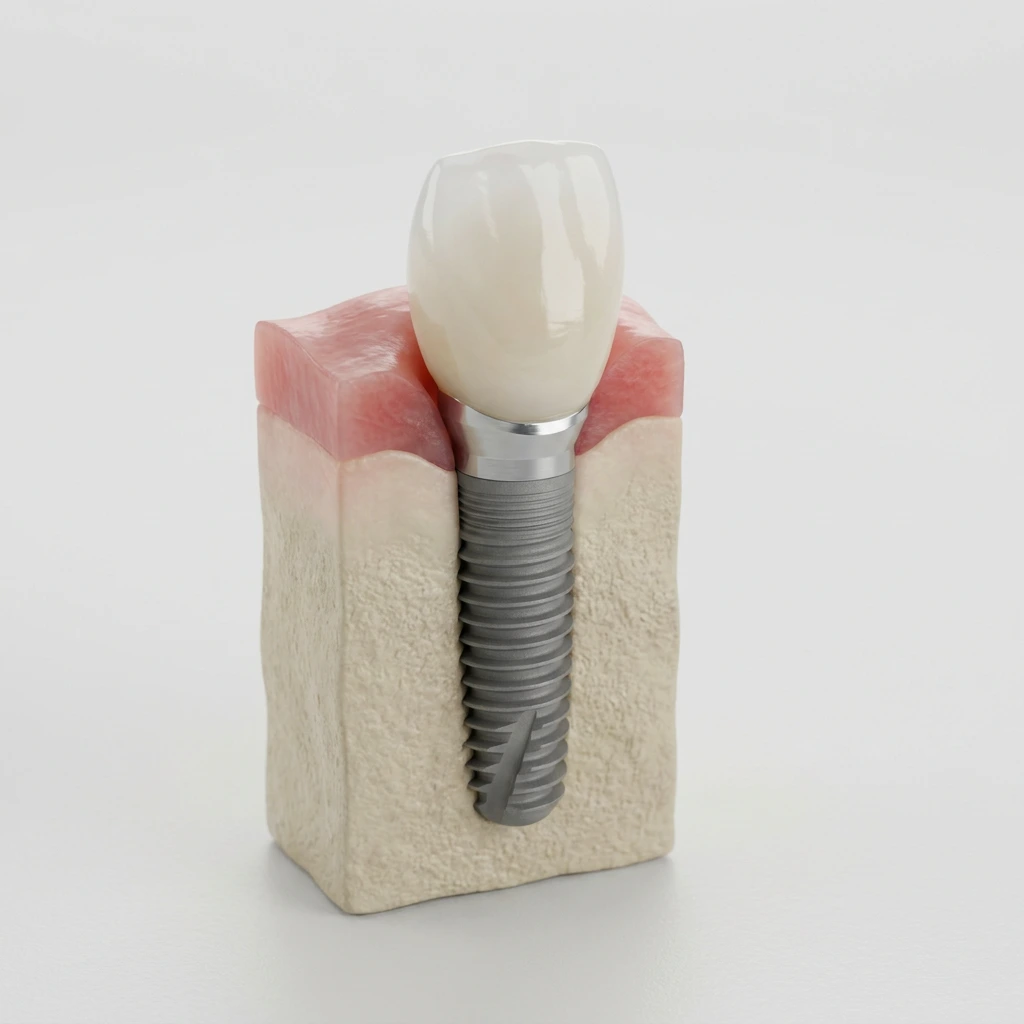
Dental implant pricing depends on preliminary care, restoration materials, and surgical needs for lasting stability.
Several clinical variables influence overall treatment investment, including the number of replacement teeth, necessary preliminary procedures, custom restoration materials, and chosen comfort options. Every mouth presents unique anatomy, meaning individual treatment plans must account for tissue health, jawbone stability, and surgical complexity rather than a single standardized rate.
At Austin Dental Company, Dr. Mink takes a comprehensive approach to evaluating your smile. Replacing a missing tooth is not simply a retail transaction; it involves an advanced medical procedure designed to protect your long-term bite function and facial bone structure.
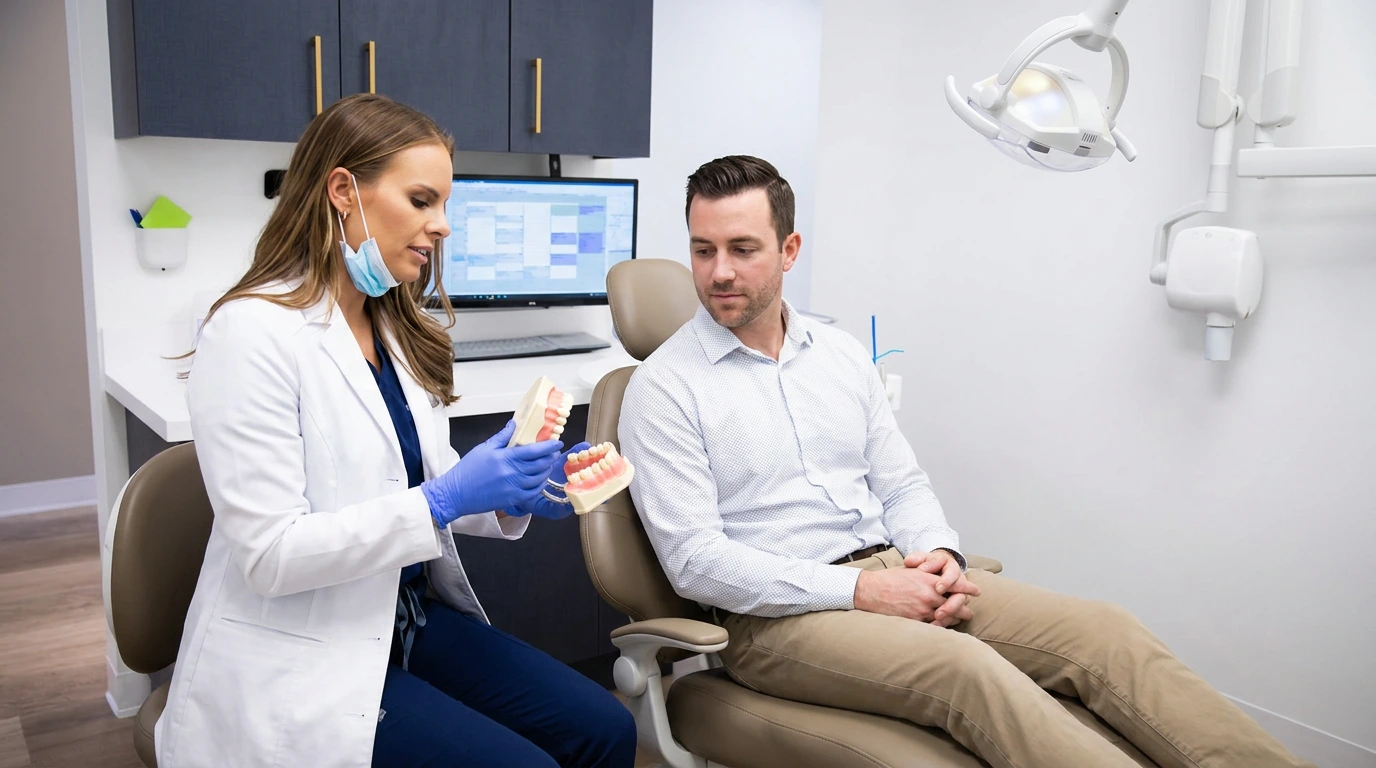
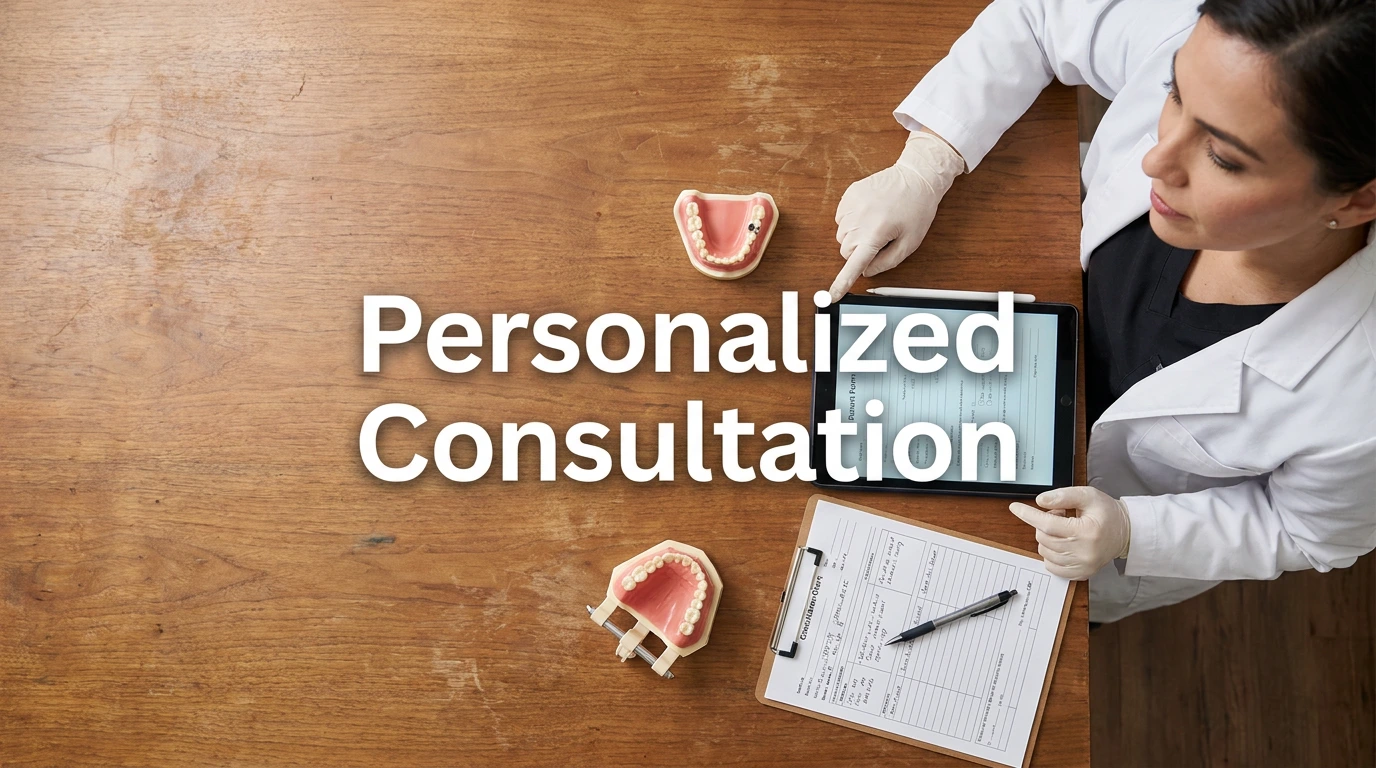
Because each patient requires tailored care, understanding the key implant pricing factors can help you evaluate treatment plans clearly. During an initial implant consultation, Dr. Mink assesses your oral health, reviews potential preparatory steps, and crafts a clear path forward suited to your specific goals.
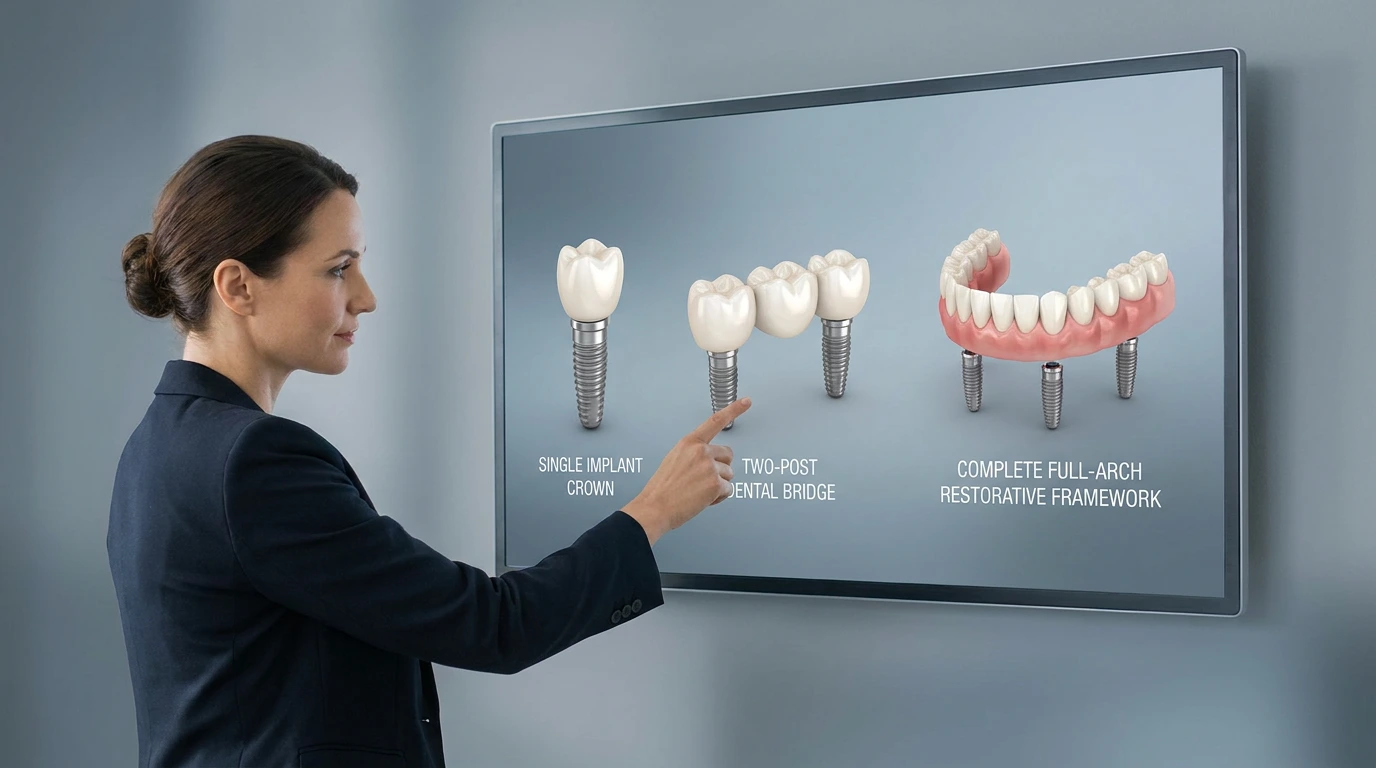
The overall scope of tooth replacement directly dictates the surgical steps and hardware required. Replacing an individual tooth requires a single titanium post and crown, whereas restoring multiple teeth or an entire dental arch often uses fewer posts than missing teeth to secure a bridge or custom prosthesis.
When multiple teeth are missing, you rarely need an individual post for every single gap. Dr. Mink evaluates your jawbone architecture to determine the most stable and conservative configuration. Choosing an implant-supported solution over traditional removable appliances represents an investment in long-term stability, as the integrated posts stimulate the bone and help prevent future bone deterioration.
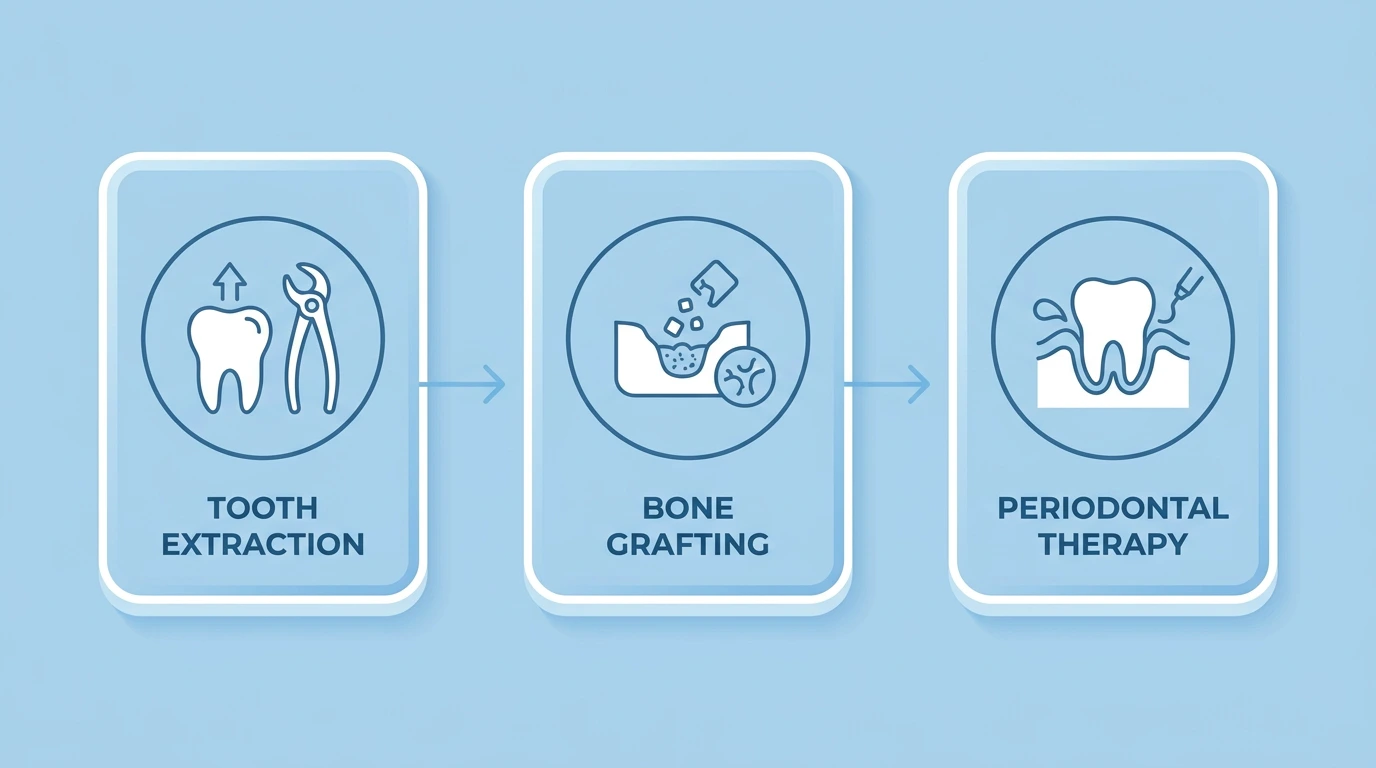
Preparatory procedures address underlying biological challenges like bone loss, gum inflammation, or failing roots before implant surgery begins. These therapies add procedural steps, surgical materials, and healing time to the overall treatment plan, ensuring that the jawbone and surrounding tissues can successfully support and integrate the new implant.
Many patients wonder how much do implants cost when these additional treatments are added. If bone density has diminished following tooth loss, Dr. Mink may recommend targeted oral surgery to rebuild the ridge. Investing in preparatory care is vital because attempting to place an implant into compromised bone can jeopardize your implant stability and increase the likelihood of future complications.
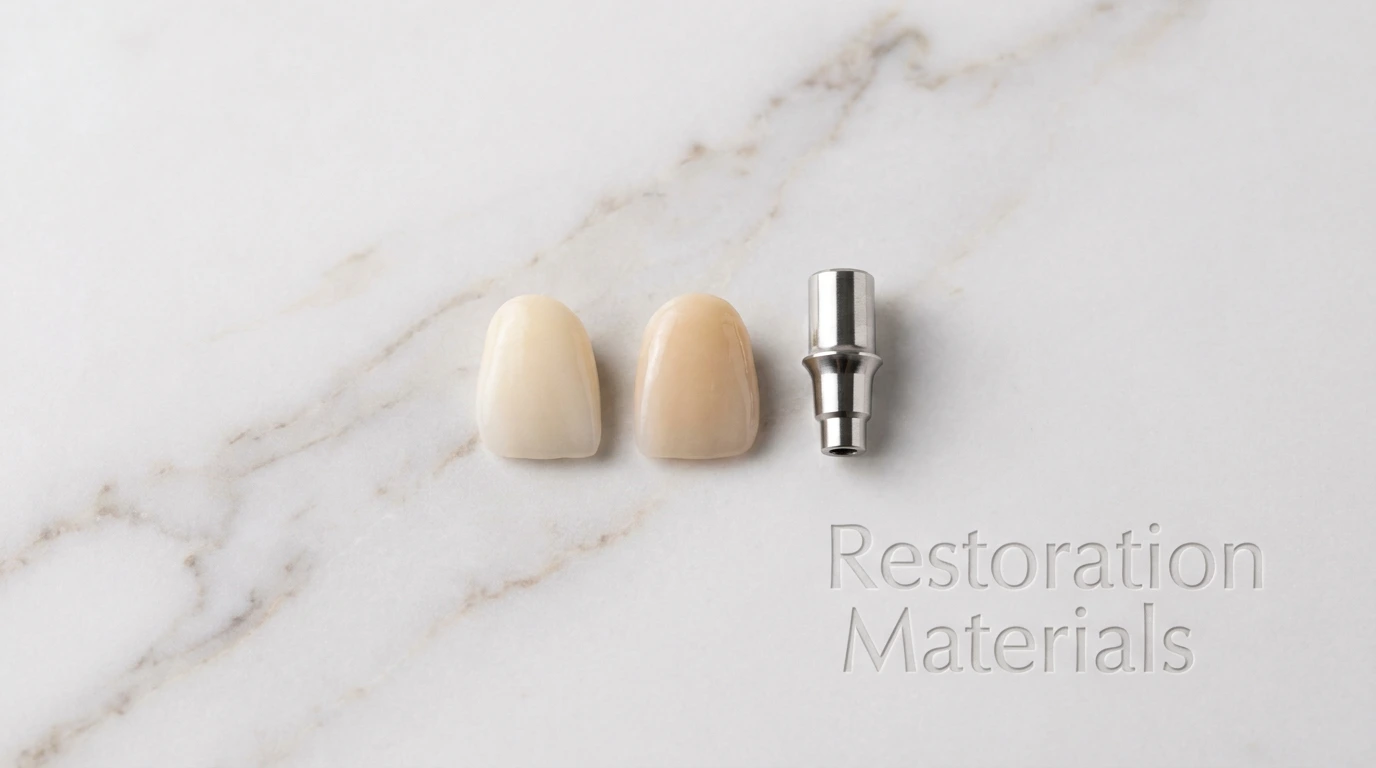
Restoration materials determine the aesthetic realism, physical durability, and long-term wear of the visible tooth replacement. Custom-milled ceramic, solid zirconia, and porcelain fused to metal each carry different fabrication requirements, aesthetic properties, and laboratory costs, directly impacting the overall investment required for the final restoration.
The visible component of your restoration is typically custom-crafted to blend seamlessly with your natural smile. When placing individual dental crowns or expansive dental bridges, the dental lab utilizes high-grade materials to recreate realistic translucency and proper occlusal strength. Selecting premium ceramics supports lifelike aesthetics while resisting daily bite forces and chipping over time.
Beyond the external restoration, the connecting piece—known as the abutment—also comes in various configurations. Stock abutments offer standard shapes, while custom abutments are precisely milled to guide the natural contour of your gum tissue. Dr. Mink carefully selects these components to support both functional stability and pleasing gum contours around your new tooth.
Take the first step toward restoring your complete, confident smile. Contact our team at Austin Dental Company to schedule your personalized implant consultation with Dr. Mink. We will evaluate your oral health, answer your questions, and provide a clear, comprehensive treatment plan tailored to your needs.

Sedation options alter treatment costs based on the depth of relaxation required, the medications administered, and the dedicated monitoring equipment used throughout the procedure. While local numbing is standard, adding supplemental sedation introduces specialized comfort protocols that allow anxious patients to undergo complex implant surgery more comfortably.
Providing a calm, supportive setting is central to our practice philosophy in Austin. Utilizing sedation dentistry allows Dr. Mink to work smoothly while you rest comfortably in the chair. The added investment for supplemental relaxation helps reduce surgical stress and create a calmer surgical experience that supports comfortable healing from start to finish.
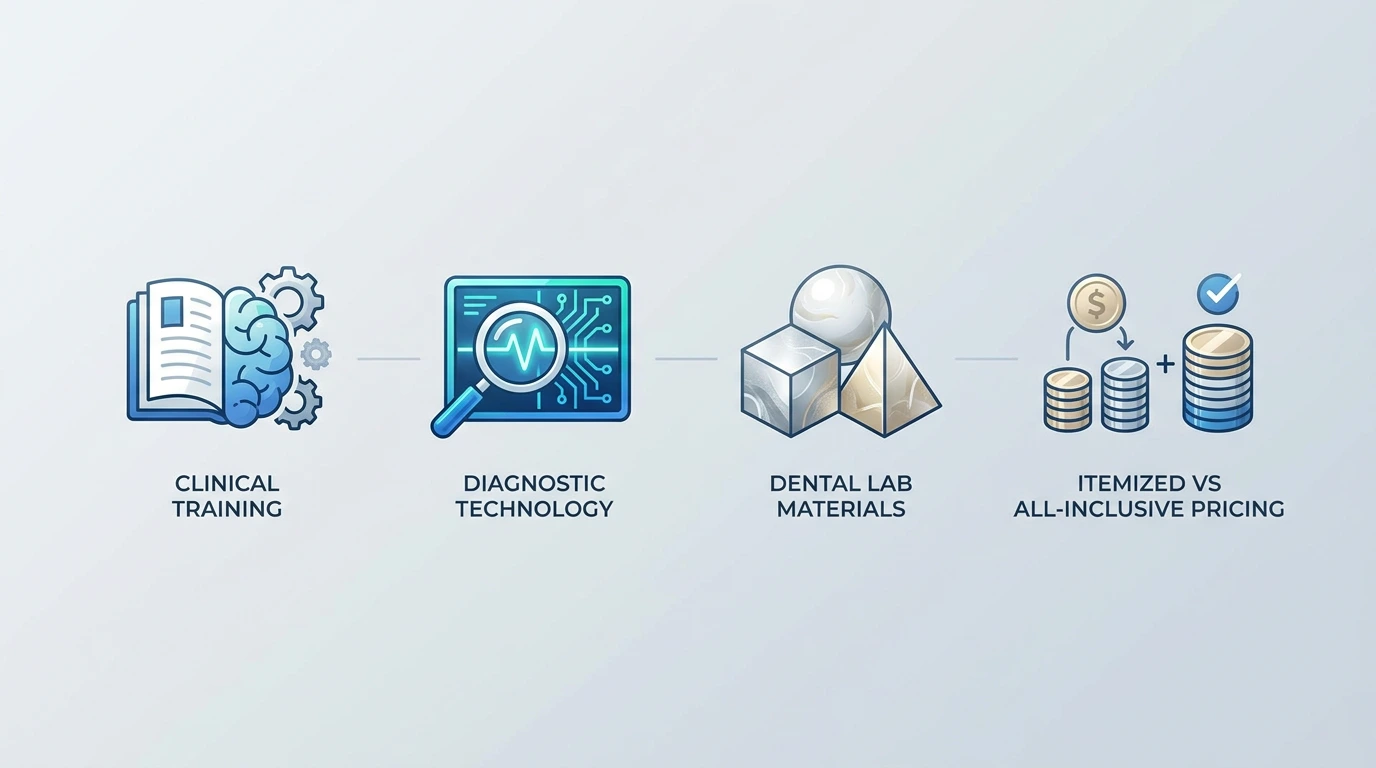
Quotes vary among dental practices due to differences in clinical training, regional overhead, diagnostic precision, the quality of materials used, and whether pricing is presented as an all-inclusive fee or an itemized breakdown. Understanding what a practice includes in its pricing is essential for making an accurate comparison.
Some providers may present a lower initial number that only covers surgical post placement, excluding the abutment, restoration, or diagnostic visits. Other practices offer comprehensive treatment plans where all phases of restorative dentistry are outlined clearly before care begins. Choosing a provider who prioritizes treatment transparency helps you avoid unexpected surprises as your care progresses.
Geographic location within Central Texas also shapes surgical practice fees. Maintaining a modern clinic in Austin requires ongoing investments in facility cleanliness, high-grade surgical instrumentation, and certified dental laboratory partnerships. Dr. Mink believes that investing in proven surgical methods and dependable materials provides patients with dependable, long-term restorative results.
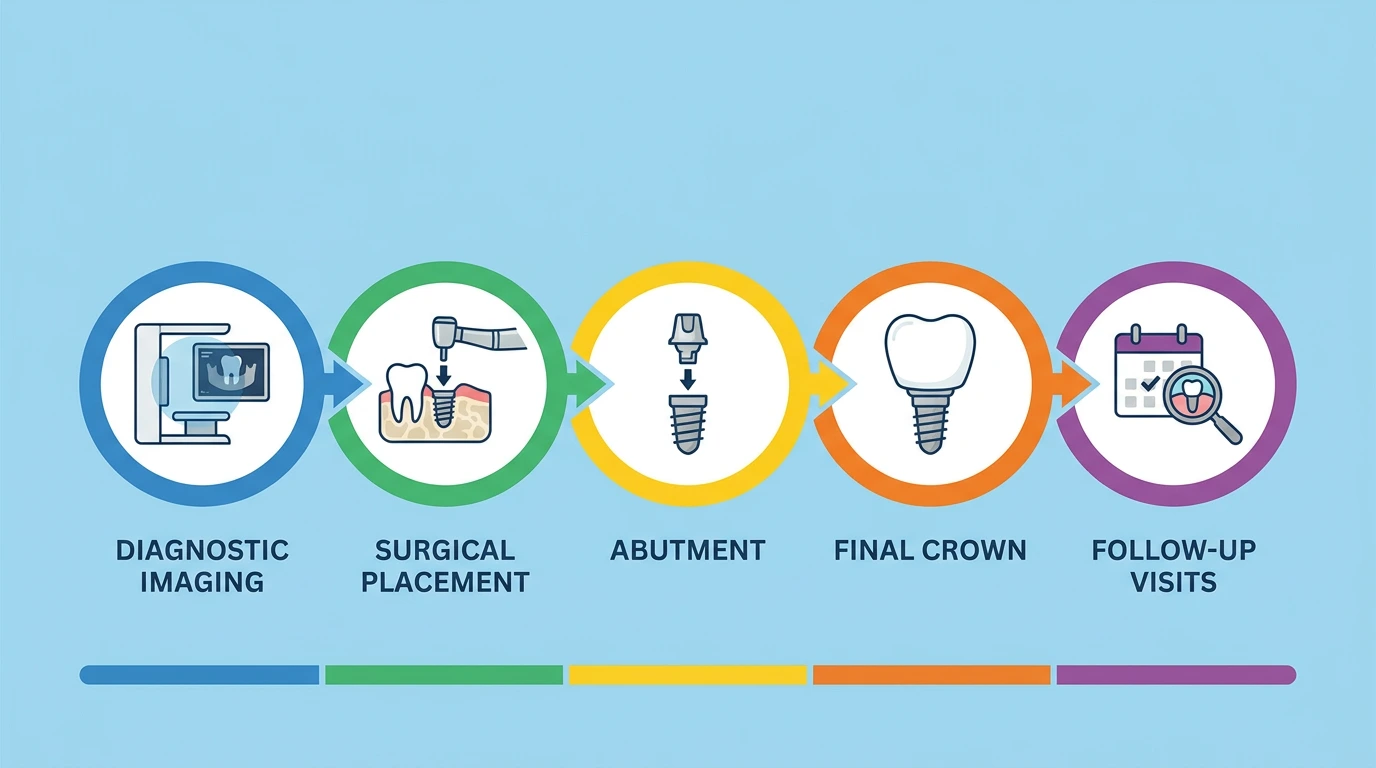
A comprehensive implant estimate should clearly detail every clinical phase, from initial diagnostic imaging and surgical post placement to custom abutment creation, the permanent restoration, and post-operative evaluations. A thorough outline supports transparency, helping you understand each component required to rebuild your smile from root to crown.
Reviewing your dental implant estimate line by line helps you understand each fee before treatment begins. Dr. Mink and our team provide detailed treatment plans so you know what each stage involves. Understanding these components helps you navigate insurance benefits, health savings accounts, and flexible payment arrangements with greater financial clarity.
Navigating the clinical and financial details of tooth replacement feels far more straightforward once you have an accurate, personalized evaluation. Generic quotes found online cannot account for your specific jawbone density, bite relationship, or aesthetic smile goals. Meeting with Dr. Mink provides the opportunity to discuss your concerns openly and receive an individualized assessment tailored to your health.
During your visit at our Steiner Ranch office, Dr. Mink conducts a gentle, comprehensive examination to evaluate your candidacy for dental implants. She takes the time to listen to your priorities, explain suitable restoration materials, and map out every step of the process. Our team will review your benefits and explain financing options clearly, ensuring you have all the facts before deciding on care.
Restoring missing teeth is an investment in your daily comfort, clear speech, and nutritional wellness. Whether you are replacing a single molar or exploring full-arch solutions, our practice is dedicated to delivering durable, aesthetically pleasing outcomes designed to serve your smile for years to come.
1. What affects the cost of a dental implant most?
The primary cost drivers include the number of replacement teeth, necessary bone grafting or extractions, the chosen restoration material, and the level of sedation used. A personalized consultation with Dr. Mink provides an accurate assessment based on your unique oral anatomy and treatment goals.
2. Does dental insurance cover dental implants?
Many dental insurance plans offer partial benefits for components like the crown, extraction, or preliminary therapy, even if they do not cover the post itself. Our team at Austin Dental Company helps verify your coverage to maximize available insurance benefits.
3. Why do dental implant quotes vary so widely?
Quotes vary because some practices quote only the surgical post, omitting the abutment and crown, while others provide an all-inclusive estimate. Variation also reflects provider experience, regional overhead in Austin, and the quality of dental lab materials used to craft the final restoration.
4. Are bone grafts always necessary for implants?
Bone grafts are only necessary when a patient lacks sufficient jawbone width or height to securely anchor the implant post. Dr. Mink evaluates your bone structure using modern diagnostic imaging to determine whether grafting is recommended to support long-term implant stability.
5. How does a single implant compare to a bridge?
A single implant replaces both the missing root and crown without altering adjacent natural teeth, whereas a traditional bridge requires modifying neighboring teeth for support. While initial treatment steps differ, implants help protect jawbone density and avoid placing structural strain on adjacent enamel.
6. Can flexible financing be used for implant treatment?
Yes, healthcare financing plans, flexible spending accounts, and health savings accounts can often be used to manage out-of-pocket implant expenses. Our Austin team works closely with patients to discuss practical payment solutions that fit their personal budgets.
7. How long does the complete implant process take?
The entire process typically spans several months to allow the titanium post to integrate securely with the surrounding jawbone before placing the final crown. Minor preliminary treatments like bone grafting may extend the timeline to ensure optimal tissue stability.
8. How do I find a dentist for dental implants in Austin?
Look for an experienced clinician who provides thorough diagnostic exams, custom treatment planning, and transparent estimates that cover every stage of care. Dr. Mink provides personalized implant consultations designed to evaluate your candidacy and explain your options clearly.
9. Is sedation dentistry required for implant placement?
Sedation is not mandatory, as local numbing helps prevent sensation during the procedure, but supplemental sedation options are available for patient comfort. Dr. Mink reviews your comfort preferences to determine whether relaxation options would enhance your surgical experience.
10. Are dental implants worth the investment?
Dental implants are widely considered a valuable investment because they restore natural chewing power, preserve facial bone structure, and do not rely on adjacent teeth. When cared for with routine hygiene, they provide dependable, long-lasting tooth replacement.
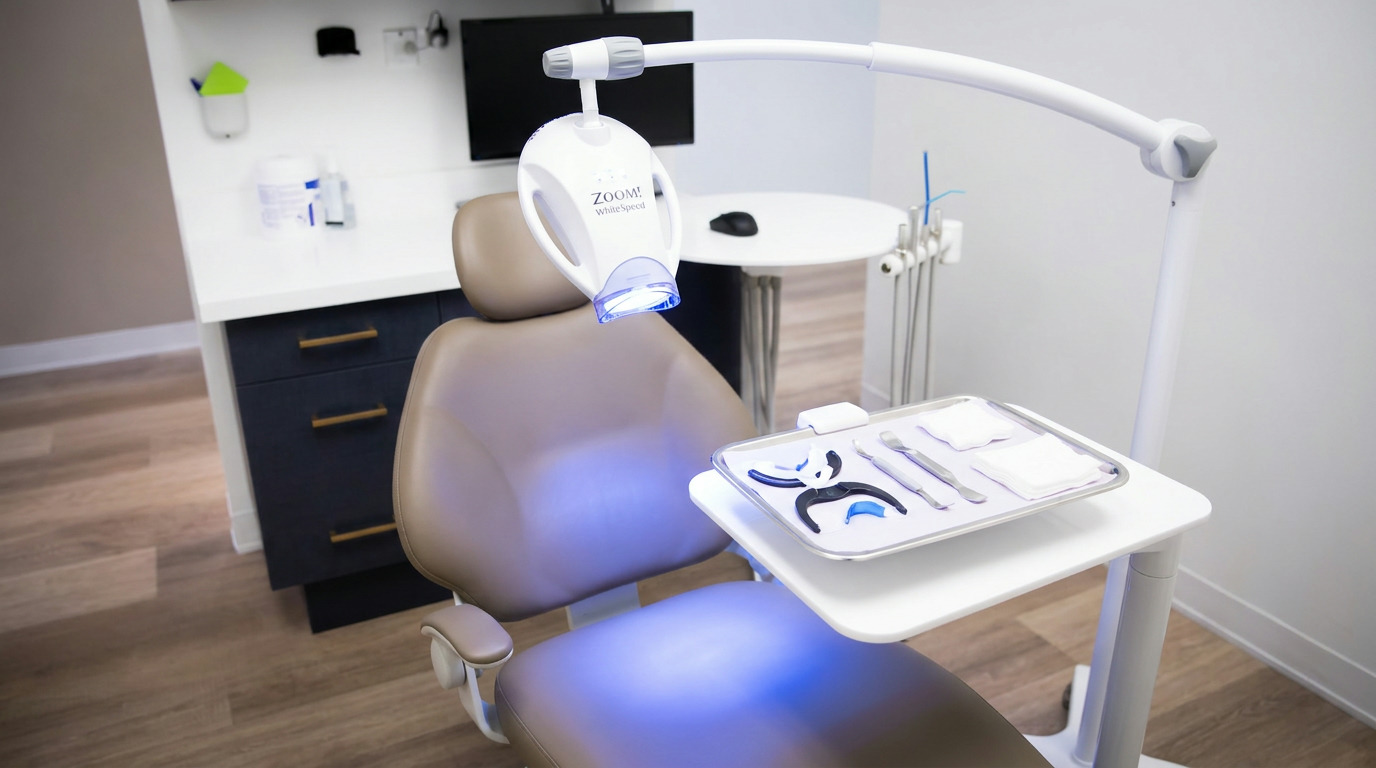
Zoom!® Whitening effectively lightens teeth in one visit, transforming smiles by breaking down deep stains for a brighter, more confident appearance.

Understanding veneer costs involves material choice, the number of teeth, and preparatory work, with porcelain offering durability and aesthetics often making it a worthwhile investment.

Understanding your Aetna dental insurance coverage at Austin Dental Company simplifies access to quality dental care and helps manage treatment costs.